Visibility Isn't Vanity. It’s a Leadership Tool.
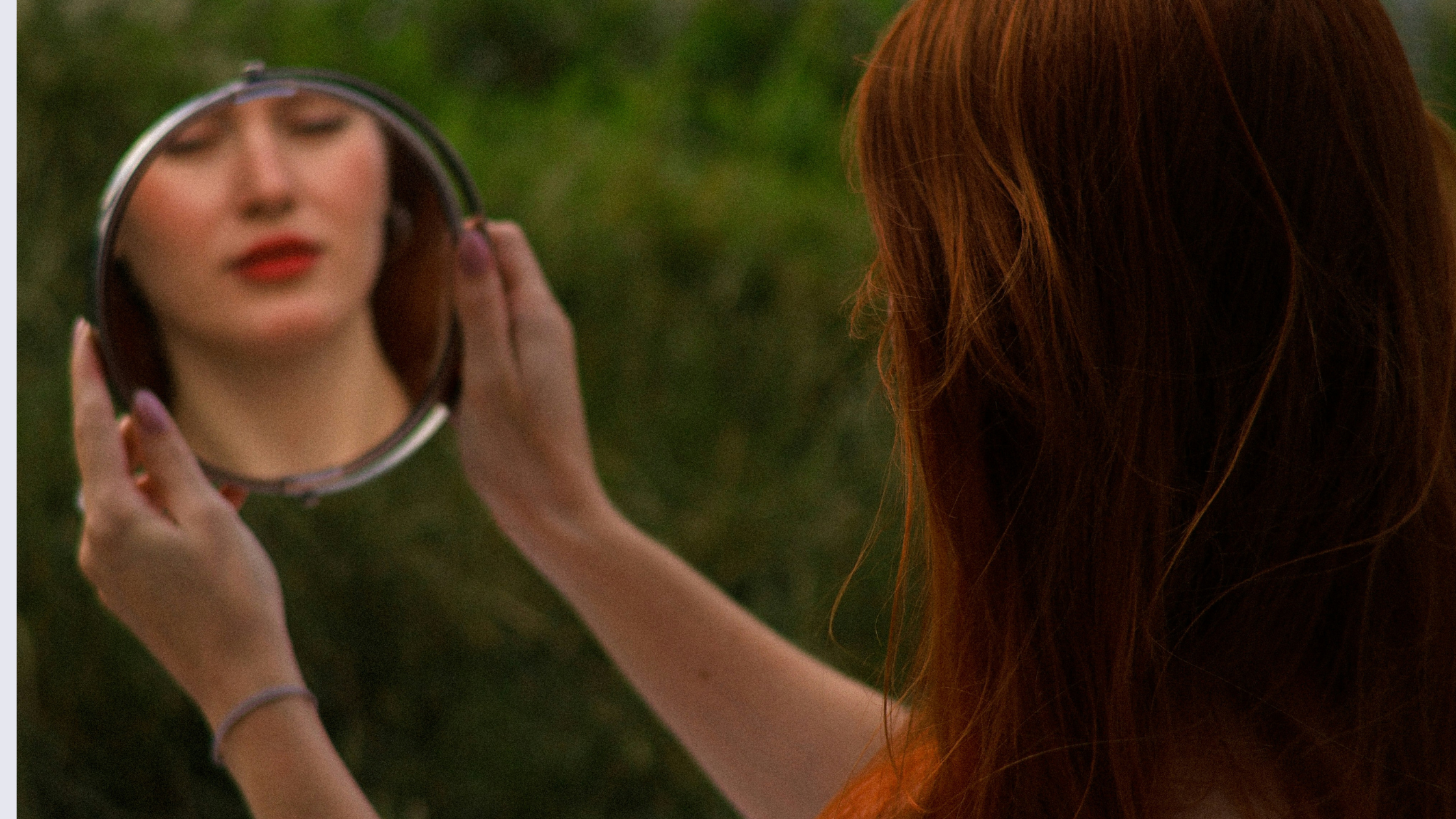
We’ve all heard it before: “Don’t make it about you.” “Stay humble.” “Let the work speak for itself.” These phrases are drilled into us early, especially women. We’re taught to stay small, not take up too much space, and let success happen quietly.
But after 50 episodes of Figure 8 and countless conversations with bold women entrepreneurs, here’s what I know for sure:
Visibility isn’t about vanity. It’s about leadership.
If you want to grow a business, lead a movement, or even just step into your next-level self, you must be seen.
Visibility Builds Trust
People can’t follow what they can’t see. Whether you’re leading a team, building a brand, or trying to shift a system, your visibility creates clarity. It lets others know what you stand for, what you value, and where you're going.
Showing up in your brilliance: on stage, online, in the boardroom? It’s not about ego. It’s about transparency. It’s how you build trust.
Visibility is a leadership tool because it helps people believe. In your vision. In your voice. In your ability to guide them toward something greater.
Confidence Is Contagious (and So Is Self-Doubt)
One thing I’ve learned from interviewing powerful women is this: when you claim space unapologetically, you give others permission to do the same. When you don’t? You model hesitation. You model hiding.
Every time you speak up, step forward, or stand in the spotlight, you make it safer for someone else to do it too. That’s not vanity. That’s courage in action.
Your audience (whether it's your team, your clients, your community) is watching. They don’t just hear what you say. They feel your energy. Your belief in yourself becomes their belief in what’s possible.

The Fear Is Normal. Move Anyway.
Let’s be real. Visibility can feel vulnerable. Especially when you're used to being the one behind the scenes, getting things done without fanfare.
But if you're a woman building a business, a brand, or a legacy, staying invisible is no longer an option.
Fear of judgment, imposter syndrome, perfectionism—they're all part of the process. I’ve felt them. Every guest I’ve interviewed has too. But the difference between those who soar and those who stall? The ones who soar show up anyway.
They get on video even when their lighting is bad. They hit “publish” on the post that makes their heart race. They raise their hand in the meeting even when their voice shakes.
They know that visibility is part of the job, and the cost of growth is discomfort.
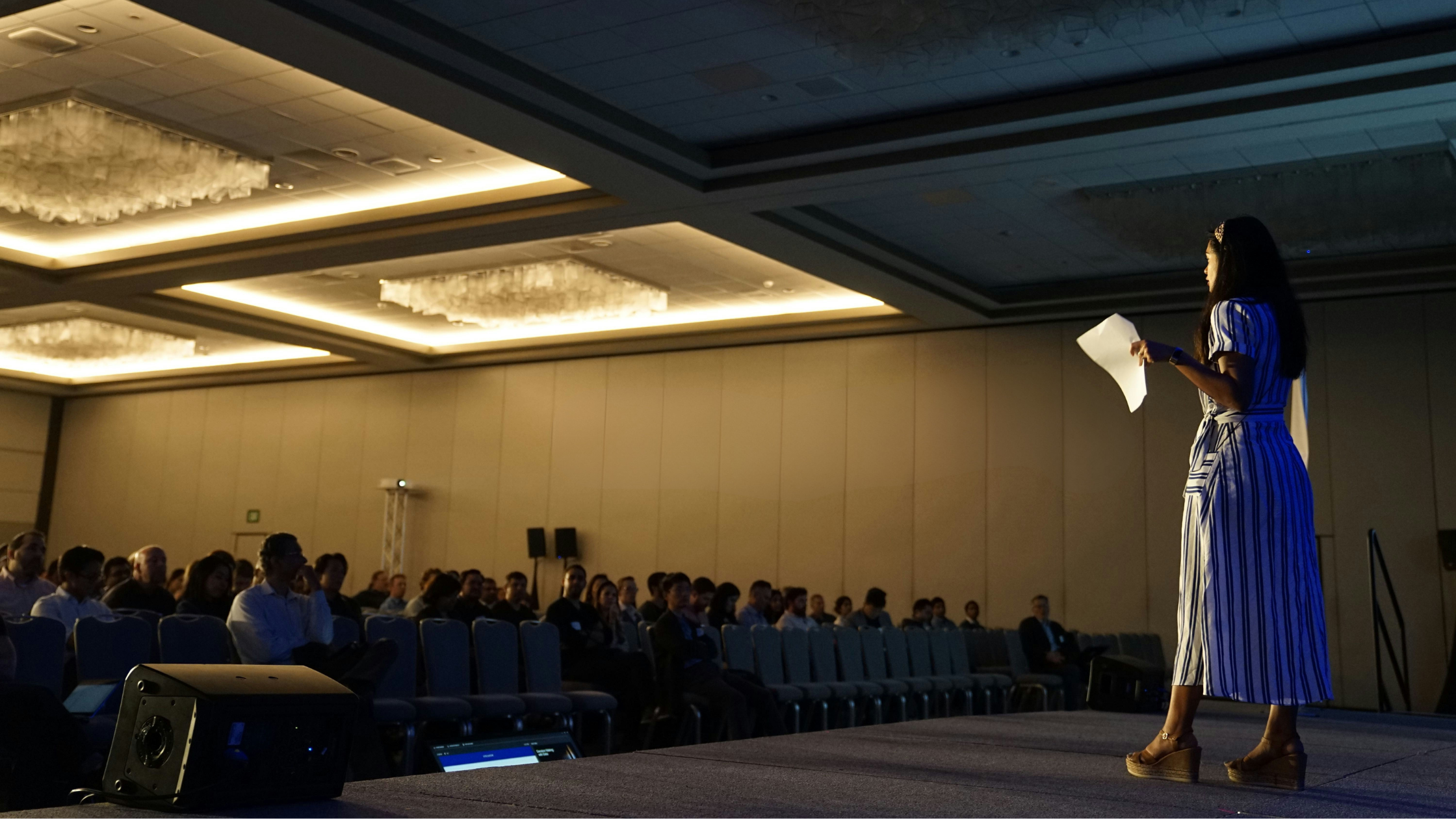
Your Presence Is Your Power
In business, perception shapes reality. If people don’t know you’re an expert, they won’t treat you like one. If they’ve never heard your story, they can’t connect with your mission. If you’re not showing up with intention, your opportunities will go to the ones who are.
And let’s be clear: visibility doesn’t always mean loud or flashy. It means being present. It means being consistent. It means making sure your presence reflects your power—even when no one is clapping yet.
Post that thought leadership piece. Share your story on a podcast. Say your bold opinion in the meeting. Publish the damn book.
Not for likes, but for legacy.
Reframe Visibility as Service
Still feeling a little wobbly about showing up? Try this reframe: visibility is service.
When you share your insights, others grow.
When you own your expertise, others get permission to own theirs.
When you show the behind-the-scenes—the hard stuff, the pivots, the messy middle—others feel less alone.
You’re not being “extra.” You’re being extraordinary. And that’s exactly what leadership demands.
Big Gorgeous Takeaway
Being seen is not a performance. It’s a strategy.
The most effective women leaders I know don’t just do the work—they show the work. They narrate the journey. They share the wins and the struggles. They take people with them.
Visibility, when used with intention and authenticity, becomes a leadership tool that inspires others, builds movements, and opens doors.
So go ahead—take up space. Shine brighter. Speak louder. Let the world see you lead.
The future needs more visible, visionary women.
You ready?